
Sorting through a loved one’s belongings after they die can be a daunting and emotional task. Every object carries a memory, and deciding what to keep, donate, or repurpose can feel overwhelming. After both of my parents died close together, I found myself standing in their apartment, surrounded by a lifetime of possessions. I wanted to honour their legacy while also ensuring that their cherished belongings found new purpose instead of ending up in a landfill.
Embracing sustainability during this process allows us to preserve memories, reduce waste, and bring new life to old items. Here are some meaningful ways to rehome and repurpose inherited belongings with intention:
1. Donate with Purpose
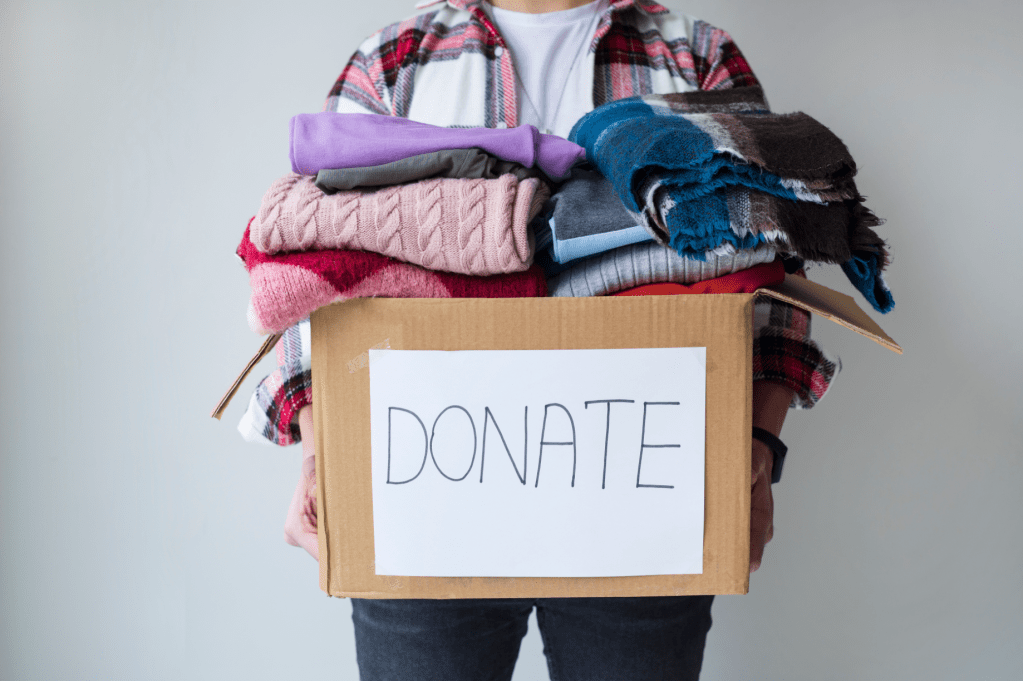
Not all donations are equal. Research local charities, shelters, or community groups that align with your loved ones, or your own values. If they were passionate about books, consider donating their collection to a library. Clothing can go to shelters or organisations supporting those in need. Giving with intention ensures their belongings continue to serve a purpose. Both my parents loved the St. Vincent de Paul charity so I tried to donate as much of their belongings there.
2. Offer Items to Family and Friends
Before donating or selling, reach out to family members or close friends who might find comfort in keeping a special item. Something as simple as a well-loved kitchen tool, a piece of jewellery, or a handwritten note can hold deep sentimental value for others. I had certain items that I knew I didn’t want to donate but wasn’t sure what to do with them. By waiting often the right person or situation became obvious to me and that felt really good.
3. Repurpose for a New Life
Many sentimental items can be transformed into something meaningful. Consider turning clothing into memory quilts or cushions, repurposing furniture with a fresh coat of paint, or framing handwritten letters as artwork. These small projects allow you to keep a piece of your loved one’s legacy in a way that fits your life. I found sorting through their clothes difficult because I would remember them wearing them at certain occasions etc. For me getting a quilt made helped me to keep the items that were extremely memorable and then donate the rest with ease.

4. Sell with a Story
For items that no longer serve a place in your life but hold value, consider selling them through second-hand platforms or antique shops. Providing context, a brief story about the item’s history, can make the sale more personal and ensure it finds a home where it will be truly appreciated.
5. Upcycle and Create
Some objects can take on an entirely new function with a bit of creativity. Old furniture can be refurbished, vintage fabrics can be sewn into new garments, and even broken jewellery can be redesigned into something new. If you’re not crafty yourself, local artisans or up cyclers may be able to help bring new life to these items. My mam had started to knit a scarf and I found the unfinished product during this process. I offered it to a friend’s mam, who is a keen and amazing knitter. She gifted the finished scarf back to me and it was such a thoughtful and healing piece, I had underestimated the value of its comfort.
6. Consider Community Sharing
Community-based sharing initiatives, such as tool libraries, buy-nothing groups, or local swap events, provide a sustainable way to pass items on. Instead of discarding things, these networks allow useful items to remain in circulation and serve others who need them.
7. Accept That Letting Go is Part of the Process
It’s natural to want to hold onto everything, but releasing items in a thoughtful way can be a healing experience. Finding new homes for cherished objects allows their stories to continue while making space for your own journey forward.
Through Kindred Sorting, I aim to help others navigate this process with care, compassion, and a commitment to sustainability. By choosing to rehome and repurpose with thoughtfulness, we can honour our loved ones while also taking steps toward a more sustainable future.
 Kindred Sorting